Healthcare is one of the fastest-growing sectors in India, and it relies not only on doctors and nurses but also on paramedical professionals. From diagnostic labs to operation theatres, it’s these skilled experts who keep the system running smoothly. With the rising demand for healthcare services, both in India and overseas, many students and parents are now asking: “Is paramedical a good career in India?”
What is Paramedical Science?
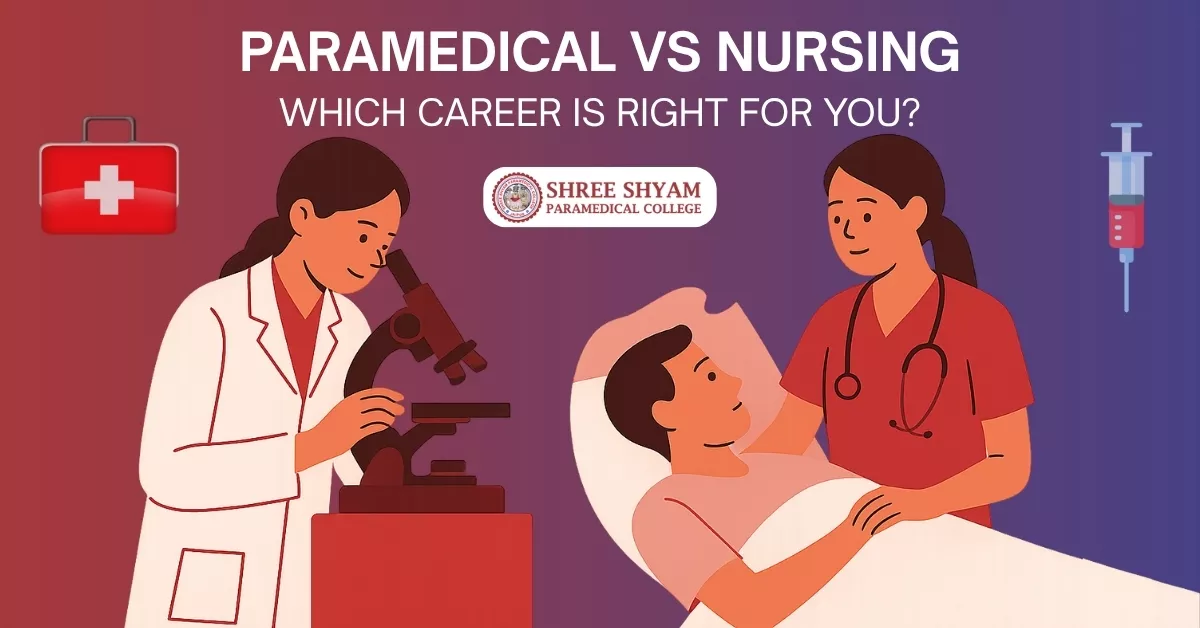
Paramedical science is a vital branch of medical science that prepares students to work as allied healthcare professionals. While doctors focus on diagnosing and treating patients, paramedics provide essential technical and clinical support.
Some popular areas of paramedical science include:
Medical Lab Technology (DMLT): Blood tests, pathology reports, and lab analysis.
Radiology Technology (DRT): X-rays, MRI scans, and CT scans.
Operation Theatre Technology (DOTT): Assisting surgeons during critical operations.
ECG Technology (DECG): Monitoring heart health and cardiology support.
In short, paramedics form the support system of modern medicine, ensuring timely and accurate diagnosis, patient safety, and smooth treatment procedures.
Why Choose a Career in Paramedical Science?
1. High Demand in Healthcare
India currently has around 1 doctor for every 1,500 patients—far below the WHO recommendation of 1:1000. This gap creates a strong demand for paramedical staff across hospitals, diagnostic labs, and clinics.
2. Affordable and Job-Oriented Courses
Unlike MBBS or BDS, paramedical courses are shorter (1–4 years), more affordable, and focused on practical skills. This allows students to enter the workforce quickly without a heavy financial burden.
3. Quick Career Entry
Even after completing a diploma, students can secure jobs in hospitals, pathology labs, or diagnostic centers. Higher education like B.Sc. or M.Sc. in Paramedical Science further boosts career growth.
4. Wide Range of Opportunities
Paramedical graduates find work in both the public and private sector. From AIIMS and government hospitals to leading private healthcare chains like Apollo, Fortis, and Max, the demand is everywhere.
Scope of Paramedical in India
The career scope in paramedical science is expanding rapidly:
Government Jobs: AIIMS, ESIC hospitals, Indian Railways, Defence, and State Medical Colleges regularly recruit paramedical staff.
Private Sector Growth: The boom in corporate hospitals, diagnostic chains, and pathology labs has created thousands of new job openings.
Opportunities Abroad: Countries like the UK, Canada, Australia, and the Middle East face a shortage of paramedical professionals, offering lucrative opportunities for Indian students.
Salary of Paramedical Professionals in India
Salaries vary based on course, experience, and workplace. Here’s a quick overview:
| Course | Entry-Level Salary (per month) | Mid-Level Salary | Abroad Salary |
| DMLT (Lab Technician) | ₹15,000 – ₹25,000 | ₹30,000 – ₹40,000 | ₹1–1.5 Lakh |
| DRT (Radiology) | ₹20,000 – ₹30,000 | ₹35,000 – ₹50,000 | ₹1.2–1.8 Lakh |
| DOTT (OT Technician) | ₹18,000 – ₹25,000 | ₹35,000 – ₹45,000 | ₹1–1.4 Lakh |
| DECG (Cardiology) | ₹15,000 – ₹22,000 | ₹30,000 – ₹40,000 | ₹1 Lakh+ |
With experience and specialization, paramedical professionals in India can earn ₹50,000–₹80,000 per month, while those working abroad often take home lakhs every month.
Future Opportunities in Paramedical Science
The future of paramedical science looks brighter than ever:
Technology in Healthcare: AI-driven diagnostics, robotic surgeries, and telemedicine are creating new roles for paramedics.
Rising Demand in Small Cities: Tier-2 and Tier-3 cities are witnessing a surge in hospitals and diagnostic centers.
Global Shortage: WHO estimates a shortage of 18 million healthcare workers worldwide by 2030.
Higher Studies: Students can pursue advanced courses like B.Sc., M.Sc., or specialized PG Diplomas for better career growth.
Challenges in Paramedical Career
Like any career, this field comes with its own set of challenges:
High competition in the private sector.
Limited seats in government healthcare jobs.
Need for continuous skill upgrades to keep pace with new medical technologies.
With proper training and the right college, these challenges can be overcome.
How to Start a Career in Paramedical Science
Eligibility: Most diploma courses require 10+2 in Science (Physics, Chemistry, Biology/Maths).
Courses Available: Diplomas (1–2 years), Degrees (3–4 years), and short-term Certificate Courses.
Admission Process: Many private colleges offer direct admission, while government institutes may conduct entrance exams.
Choosing the Right College: Look for recognized institutions with modern labs, experienced faculty, hospital tie-ups, and placement assistance.
Final Thoughts
So, is paramedical a good career in India?
Absolutely! It offers job stability, affordable education, and high demand across India and abroad. As the healthcare industry continues to grow, paramedical professionals will remain the unsung heroes of medicine, working behind the scenes but making a world of difference.
If you’re passionate about healthcare and want a fast, affordable, and rewarding career path, Shree Shyam Paramedical College Jaipur could be the perfect choice for you.